
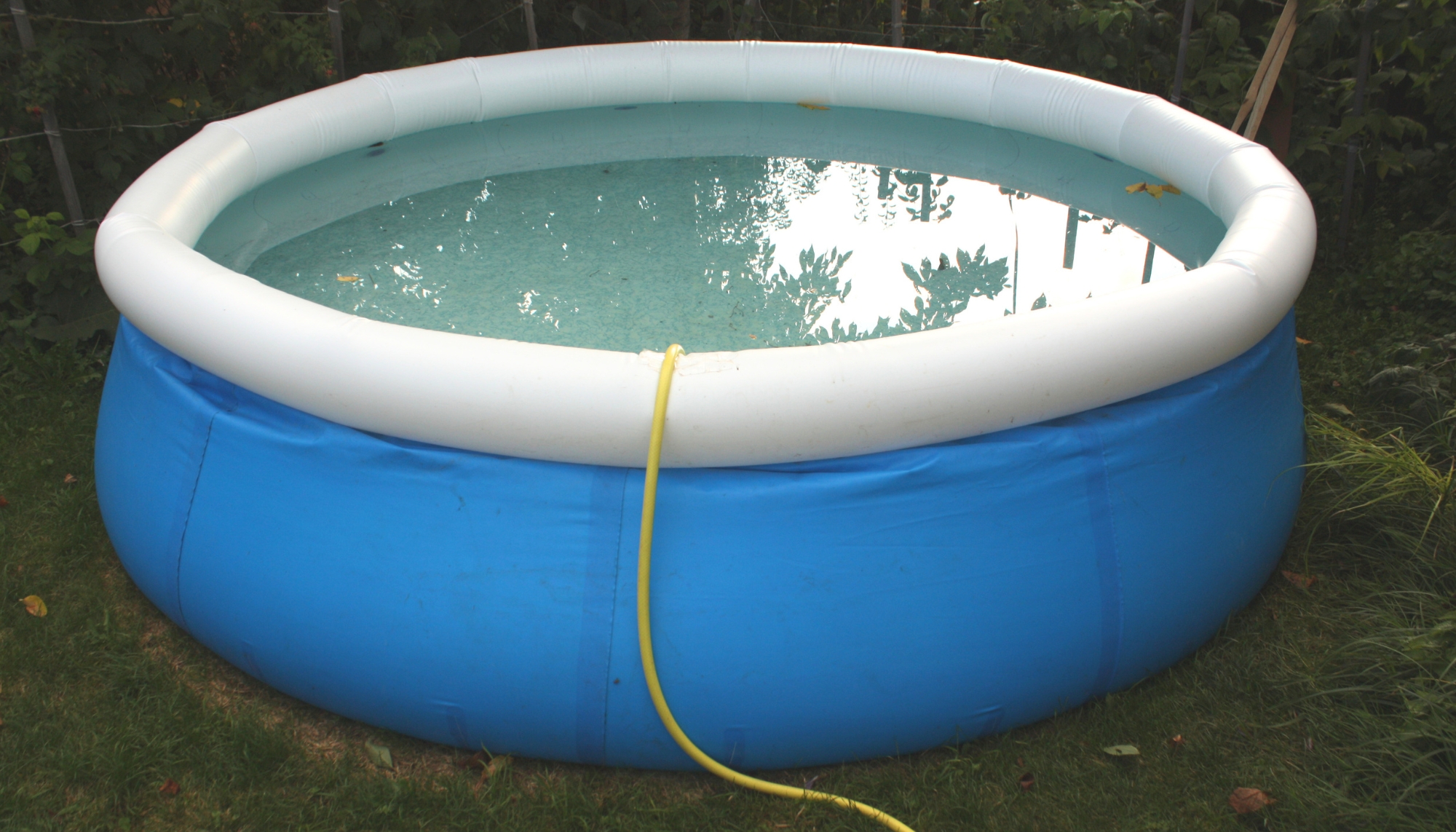
A temporary pool can still come with permanent responsibilities.
As the weather warms up, inflatable and portable pools can be an easy way to cool down at home. But in a rental property, setting one up is not always as simple as filling it with water.
In Western Australia, inflatable pools can be subject to the same safety barrier requirements as permanent swimming pools. For both landlords and tenants, it is important to understand the rules before a portable pool or spa is installed.
When Does an Inflatable Pool Need a Safety Barrier?
Under Western Australia's Building Regulations 2012, there is no separate exemption simply because a pool is inflatable or portable.
If a pool is capable of containing water more than 300mm deep, it is considered a swimming pool for the purposes of the safety barrier requirements and an appropriate barrier must be in place.
This can apply to inflatable pools, temporary pools and portable spas. A portable spa with a lockable cover may still require a compliant safety barrier.
As fencing and barrier requirements can depend on the property and installation, landlords should contact their relevant local government authority for guidance.
Do Tenants Need Permission?
Yes. A tenant must obtain the landlord's written permission before installing a swimming pool or spa at the property.
If a tenant requests permission to install an inflatable pool that requires a safety barrier and the property does not have compliant fencing in place, permission should not be provided until the relevant requirements have been addressed.
This is why it is always best for tenants to speak with their property manager before purchasing or setting up a portable pool or spa.
What Happens if a Pool Is Found During an Inspection?
If an inflatable pool requiring a safety barrier is identified during a routine inspection and there is no compliant barrier or landlord permission, it needs to be addressed promptly.
This may involve issuing a breach notice and advising the tenant that the pool does not meet the required safety requirements and must be removed.
What might seem like a harmless temporary addition to the backyard can create significant safety and compliance concerns.
Maintaining Pool Safety Barriers
Having a barrier installed is not the end of the responsibility.
Pool safety barriers need to be properly maintained and remain compliant. Local government authorities are required to arrange inspections of swimming pool safety barriers at intervals of no more than four years, and landlords should ensure barriers are adequately maintained at all times.
Gates, latches and fencing should never be overlooked simply because a pool has been at the property for some time.
What About Property Damage?
Portable and inflatable pools can also create a risk of damage to the rental property.
If a temporary pool collapses, leaks or causes water damage, responsibility for that damage may fall to the tenant depending on the circumstances.
This is another reason why approval should always be sought before installation.
Take the Stress Out of Managing Your Perth Rental
Keeping on top of rental property requirements is just one part of being a landlord. Having an experienced Perth property manager on your side can make it easier to stay informed, manage tenant requests and ensure important property matters are addressed promptly.
At D Residential Group, our team provides hands-on property management in Perth, taking care of the day-to-day details so you do not have to manage everything yourself.
Looking for someone to take the stress out of managing your investment? Contact D Residential Group today to discuss how we can help manage your property.
Information in this article has been sourced from REIWA guidance and its breakdown of requirements under the Residential Tenancies Act 1987 and relevant Western Australian regulations.
You might also be interested in

Sep 22, 2026
Renting Your Investment Property to Family or Friends?
Here’s What Landlords Should Consider Renting your investment property to a family member or friend can seem like an easy arrangement. You already know and trust them, they need somewhere to live, and
Jul 29, 2026
Has Your Property Remained Vacant for Too Long?
Vacancy isn't always about the market.. If your rental has been sitting empty longer than you'd like, you're not alone, and it's rarely bad luck. In our experience, a property that lingers on the mark