
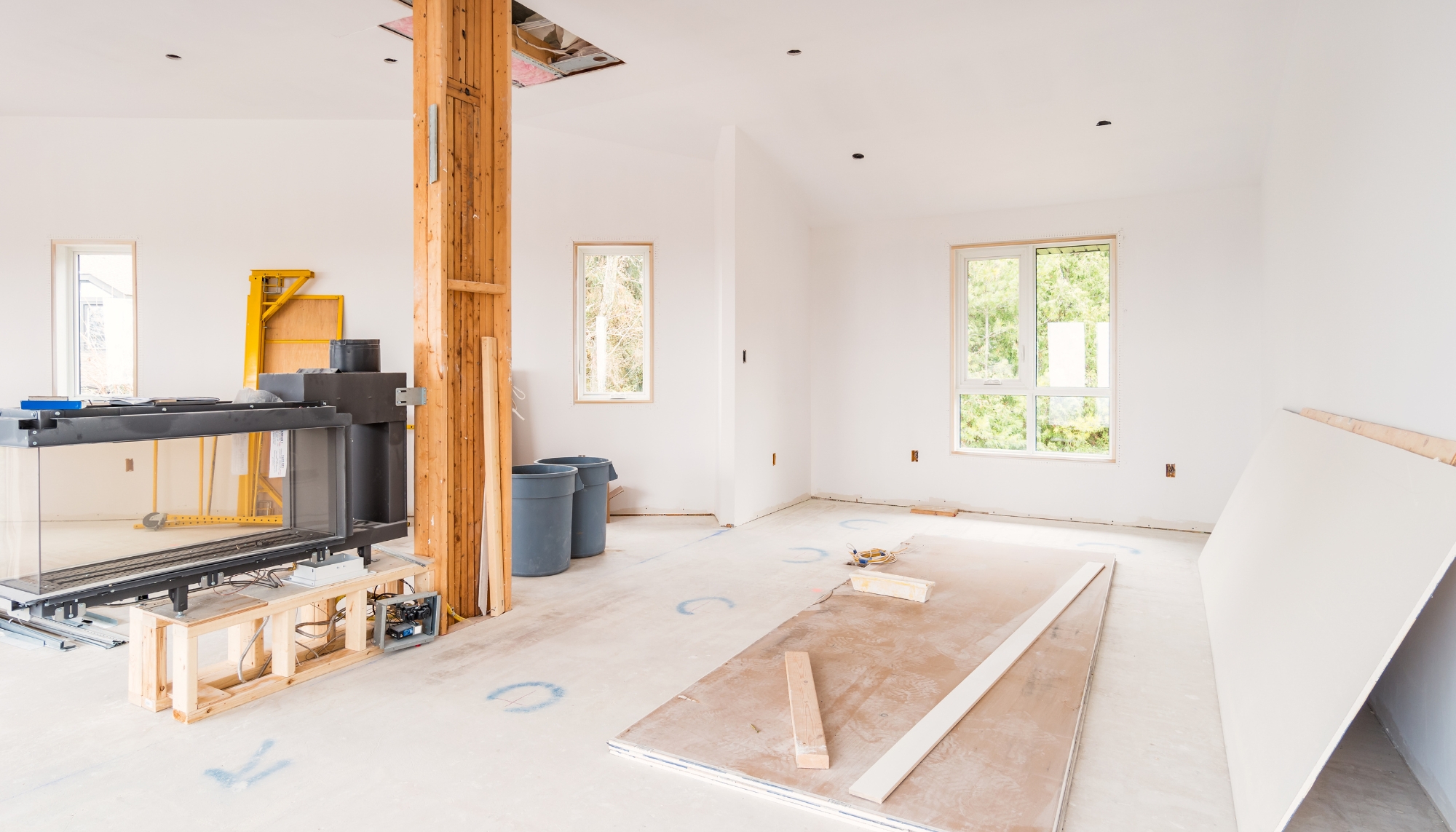
Why Renovate?
Renovating can improve the functionality, appeal and value of a property, but before choosing finishes or knocking down walls, it is important to understand the rules that may apply.
Some requirements are common across Australia, while others depend on your state, local council, property type and the work involved. Here is what WA homeowners and property investors should know.
Nationwide Renovation Rules
Across Australia, there are a few key considerations:
- Electrical, plumbing and gas work is regulated and most work must be completed by appropriately licensed trades.
- Structural alterations often require a building permit or other approval.
- Wet areas such as bathrooms and laundries must meet applicable waterproofing standards.
- Asbestos removal is regulated, with licensing requirements depending on the type and amount being removed.
- Strata, heritage and character properties, as well as homes in bushfire- or flood-prone areas, may have additional requirements.
Renovating in Western Australia
In WA, the approvals required depend on the type and scale of renovation. Cosmetic updates are generally simpler, while structural changes and extensions can require formal approval.
Cosmetic Renovations
Painting, flooring, cabinetry and other cosmetic updates are generally more straightforward than structural work.
Some minor alteration, repair and maintenance work can be exempt from requiring a building permit. If you are unsure, check with your local council before starting.
Removing an Internal Wall
Open-plan living is popular in Perth, but removing a wall is not always simple.
Many Perth homes are double brick, and an internal wall may play a structural role. Before demolition, establish whether the wall is load-bearing and whether engineering advice or approval is required.
Do You Need a Building Permit?
Building approval may be required for structural alterations, extensions, patios, decks, garages, carports, pools, spas and some retaining walls or outbuildings.
Planning or development approval may also apply. Where a building permit is required, a Certificate of Design Compliance may form part of the process.
Licensed Trades
DIY has its limits. In WA, electrical and gasfitting work must be carried out by appropriately licensed people. Most water supply, sanitary and drainage plumbing work also requires a licensed plumber or permit holder, although homeowners can undertake limited basic plumbing maintenance.
Waterproofing Wet Areas
Bathrooms and laundries must meet applicable waterproofing standards. Poor installation can lead to leaks, mould and costly damage, so this is one area where getting the work right from the outset matters.
Asbestos in Older Homes
If you are renovating an older Perth property, consider whether asbestos may be present before demolition begins.
In WA, homeowners can remove less than 10 square metres of non-friable asbestos themselves, although professional removal is strongly recommended. More than 10 square metres of non-friable asbestos, or any amount of friable asbestos, must be handled by a licensed asbestos removalist.
Strata, Heritage and Character Properties
Apartments, villas and townhouses can have additional requirements. If your property is part of a strata scheme, check the strata plan and by-laws before making structural or external changes or altering common property.
Heritage and character properties may also face additional restrictions, particularly for changes to the home's exterior. Bushfire- or flood-prone properties can also have extra requirements.
Renovating an Investment Property?
For investors, renovations should balance presentation with durability, tenant appeal and return.
Consider whether the improvement suits the local rental market, whether the finishes will withstand everyday use, how long the property may be unavailable during works and whether the likely return justifies the cost.
Major renovations are not always necessary. Fresh paint, updated flooring, improved lighting or a targeted kitchen or bathroom refresh can sometimes make a significant difference without the cost of structural work.
Check Before You Renovate
Before work begins, confirm which approvals apply and use appropriately licensed or registered professionals where required. Rules can vary between properties and local government areas, so check current requirements with your local council and relevant WA authorities.
At D Residential Group, we encourage investors to consider renovations through a property management lens. The right improvements can help protect your investment, attract prospective tenants and support long-term performance.
Thinking about improving your investment property? Speak with the D Residential Group team about which updates could have the greatest impact on its rental appeal.
You might also be interested in
Oct 13, 2026
Perth Vacancy Rate Drops to 1.7%
Rental Market Update Perth's rental vacancy rate has fallen to 1.7%, reaching its lowest level in nearly two years. According to the latest figures released by REIWA, the September result reflects con
Oct 6, 2026
Before You Fill It Up: The Rules Around Inflatable Pools in Rentals
A temporary pool can still come with permanent responsibilities. As the weather warms up, inflatable and portable pools can be an easy way to cool down at home. But in a rental property, setting one u