
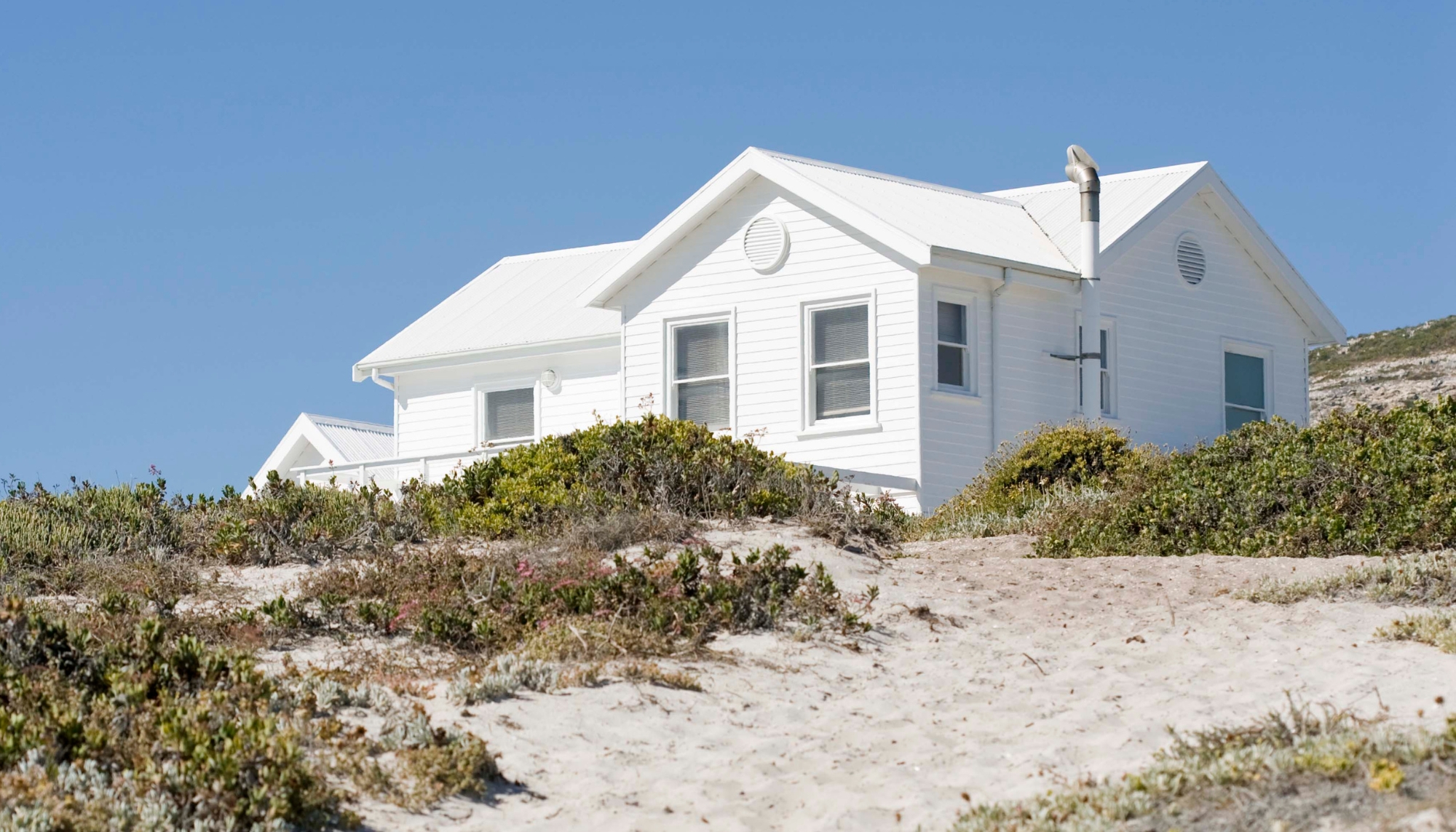
Is a Holiday Home a Good Investment?
At D Residential Group, as Perth property managers, we know many investors dream of owning a holiday home somewhere along Western Australia’s beautiful coastline or countryside. Whether it’s a beach house down south or a relaxing regional retreat, the idea of having your own escape is incredibly appealing.
But beyond the lifestyle benefits, many investors also ask, "is a holiday home actually a good investment?"
There’s no simple yes or no answer. A holiday property can offer both lifestyle enjoyment and income potential, but it’s important to approach the decision carefully and understand how it fits into your broader investment strategy.
Below are some key considerations if you’re thinking about investing in a holiday home.
Decide Your Purpose First
Before purchasing a holiday home, it’s important to be clear about why you are buying it.
Generally, holiday homes fall into one of three categories:
• A lifestyle purchase used mostly by the owner
• A short-stay investment property generating income year-round
• A hybrid approach, where the property is used personally but rented to holidaymakers when available
Many investors aim for the third option. This allows the property to generate income when it’s not being used, helping cover some of the ongoing costs while still allowing you to enjoy the property yourself.
However, if you want to generate the strongest rental return, you'll need to avoid using the property during peak holiday periods, as these are the times when short-stay accommodation generates the strongest returns.
Location Matters More Than Ever
As with any property investment, location plays a major role in performance.
Holiday homes tend to perform best in areas that attract consistent tourism demand. In Western Australia, this might include destinations such as:
• Margaret River and the South West
• Dunsborough and Busselton
• Yallingup
• Swan Valley
• Coastal towns within driving distance of Perth
When researching potential areas, consider:
• Tourism demand and seasonal trends
• Proximity to Perth or major population centres
• Local attractions such as beaches, wineries or national parks
• Infrastructure improvements and development in the area
• Access to cafes, shops and amenities
Properties located in areas with year-round appeal are generally more likely to achieve consistent occupancy.
Understand the Costs Involved
Owning a holiday home involves more than simply paying the mortgage.
If you plan to operate the property as short-stay accommodation, additional costs may include:
• Mortgage repayments
• Council rates and utilities
• Home and public liability insurance
• Short-stay platform fees (such as Airbnb or Stayz)
• Cleaning and linen services
• Maintenance and repairs
• Furnishing and styling the property
Holiday homes can experience more wear and tear than traditional long-term rentals, particularly when guests frequently change over.
Alongside this, if you opt for a coastal home, this may require additional maintenance due to salt exposure, while larger properties may require regular landscaping or pool servicing.
Understanding these ongoing costs will help determine whether the investment is financially viable.
Consider the Time Commitment
Managing a holiday rental can also require a significant amount of time.
Owners may need to coordinate:
• Guest enquiries and bookings
• Cleaning and linen services between stays
• Maintenance issues
• Marketing and listing management
• Property inspections
Many owners choose to engage professional short-stay property managers to oversee bookings, guest communication and property upkeep. This can be particularly beneficial if the property is located several hours away from your primary residence.
Furnish for Durability
Holiday homes should be furnished slightly differently to standard homes.
When selecting furniture and finishes, practicality and durability should be the priority.
Consider choosing:
• Easy-to-clean flooring
• Durable or slip-cover sofas
• Hard-wearing furniture
• Simple glassware and kitchenware
• Child-friendly furnishings where possible
Holiday properties are used by many different guests, so low-maintenance styling helps reduce ongoing replacement costs.
Explore Alternative Options
Not all holiday property investments need to be standalone houses.
Another option is purchasing a unit within a resort development. These properties are often managed by the resort operator and leased to guests as holiday accommodation.
Owners may still be able to use the property themselves during certain periods.
However, it’s important to review the management agreements and financial structure carefully, as some operate as managed investment schemes where income and expenses are shared across the development.
Is a Holiday Home a Good Investment?
A holiday home can certainly be a rewarding investment when approached strategically.
However, it’s important to remember that these purchases often combine lifestyle and financial motivations.
Success usually comes down to:
• Choosing the right location
• Understanding the costs involved
• Managing the property efficiently
• Treating the purchase as an investment rather than purely an emotional decision
When done well, a holiday home can provide both long-term capital growth and additional income, while also offering a place for you and your family to enjoy.
Final Thoughts
Holiday homes can offer a unique balance of investment potential and lifestyle benefits, but they require careful planning.
Before purchasing, it’s essential to research the market, understand the financial commitments and ensure the property aligns with your overall investment strategy.
At D Residential Group, we work closely with Perth investors to ensure their investment properties are well managed, performing strongly and positioned for long-term success.
If you’d like to discuss how to get the best out of your investment property in the greater Perth region, we’d love to help.
Discover the difference with D Residential Group.
You might also be interested in
Oct 6, 2026
Before You Fill It Up: The Rules Around Inflatable Pools in Rentals
A temporary pool can still come with permanent responsibilities. As the weather warms up, inflatable and portable pools can be an easy way to cool down at home. But in a rental property, setting one u

Sep 22, 2026
Renting Your Investment Property to Family or Friends?
Here’s What Landlords Should Consider Renting your investment property to a family member or friend can seem like an easy arrangement. You already know and trust them, they need somewhere to live, and