
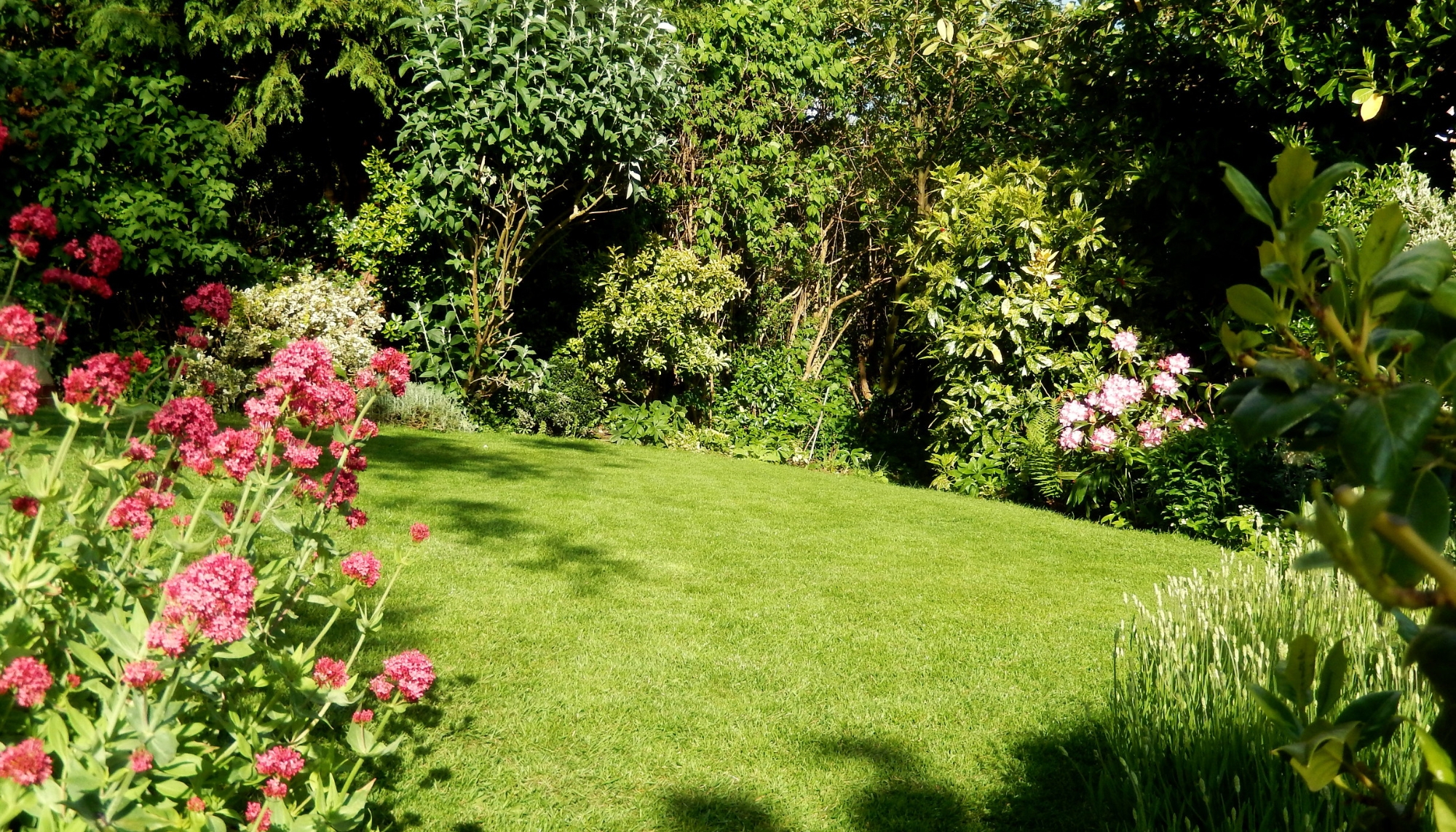
Simple tips to keep your lawn and garden healthy as Perth's temperatures rise
With spring well underway and summer just around the corner, now is the perfect time to start preparing your garden for the warmer months ahead.
Perth summers are known for their long, hot days, dry conditions and occasional heatwaves, which can take a toll on lawns, plants and outdoor spaces.
Fortunately, a little preparation can go a long way towards keeping your garden healthy. Here are some simple ways to protect your outdoor spaces as temperatures begin to rise.
1. Add Mulch to Protect Your Plants
Mulching is one of the easiest ways to protect your garden during hot weather.
A layer of mulch helps retain moisture, reduces evaporation and keeps plant roots cooler during periods of intense heat. It also helps prevent weeds from competing with your plants for water.
For vegetable gardens and flower beds, lighter-coloured organic mulches such as sugarcane or lucerne are good options. Established garden beds may benefit from composted pine bark.
Aim for a layer approximately 30–50mm thick, keeping mulch clear of plant stems and trunks to prevent moisture-related issues.
2. Water Your Garden at the Right Time
When temperatures rise, watering your garden efficiently becomes especially important.
Early morning is generally one of the best times to water, as cooler temperatures mean less moisture is lost through evaporation.
Where possible, focus on deep, less frequent watering rather than a light sprinkle. This encourages roots to grow deeper into the soil, helping plants become more resilient during dry conditions.
Keep an eye on potted plants, as containers can dry out much faster than garden beds, particularly when exposed to direct sunlight.
3. Check Your Watering Days and Sprinkler Systems
In Perth, being waterwise is an important part of maintaining a healthy garden throughout summer.
Under Water Corporation's standard watering rules, most Perth households using scheme water can operate sprinklers twice a week, with allocated days determined by the last digit of their house or lot number.
Sprinklers can generally be used once per permitted day, either before 9am or after 6pm.
Before summer arrives, check that your irrigation system is operating correctly. Make sure sprinkler heads aren't blocked or leaking, water is reaching the intended areas and irrigation timers are programmed for the correct days and times.
It's also worth checking for excessive runoff or sprinklers watering footpaths and driveways, which can waste valuable water.
Not sure which days you can water? Visit Water Corporation's watering days checker to confirm the restrictions for your property.
Different rules may apply to garden bores, regional areas and certain exemptions.
4. Adjust Your Lawn Mowing Routine
Your lawn is often one of the first areas to show signs of heat stress, particularly during extended periods of hot weather.
One simple way to protect it is to raise your mower height during summer.
Keeping grass slightly longer helps shade the soil, reduces moisture loss and provides additional protection for the roots.
The ideal mowing height depends on your grass variety, but generally, avoid cutting your lawn too short during hot periods.
It's also best to avoid mowing during the hottest part of the day, especially when your lawn is already showing signs of stress.
5. Protect Vulnerable Plants From Direct Sunlight
Not all plants cope equally well with Perth's summer heat.
Young plants, newly planted shrubs and certain flowering varieties can be particularly sensitive to strong afternoon sunlight.
Consider using temporary shade cloth to protect vulnerable plants during heatwaves, particularly in areas exposed to direct sunlight for most of the day.
Potted plants can also be moved into sheltered positions, especially those sitting on paving or concrete, where surrounding surfaces can become extremely hot.
6. Avoid Fertilising During Extreme Heat
While fertiliser encourages healthy growth, applying it during extreme heat can place additional stress on plants.
Plants already struggling with high temperatures or insufficient moisture may be more sensitive to concentrated nutrients.
During particularly hot periods, focus on maintaining appropriate soil moisture rather than encouraging new growth. Once temperatures become milder, you can return to your usual fertilising routine.
7. Keep Up With Regular Garden Maintenance
Regular maintenance can make a noticeable difference to how well your garden handles summer.
Remove weeds, check for pests and watch for signs of heat stress, including wilting, browning leaves and dry soil.
For tenants, maintaining gardens in accordance with your tenancy agreement is an important part of caring for your rental property. If you notice damaged irrigation systems or fixtures requiring repair, report them to your property manager.
Get Your Garden Summer-Ready
With Perth's warmer weather approaching, now is a great time to prepare your garden for the months ahead.
At D Residential Group, we understand the importance of maintaining a well-presented property year-round. A little preparation now can help keep your garden looking its best throughout the warmer months.
You might also be interested in
Nov 3, 2026
Pests in Your Perth Rental: Who Pays, the Landlord or the Tenant?
Who’s responsible for pest control in WA? You spot a trail of ants across the kitchen bench. There's scratching in the ceiling at 2am. Or worse, mud tunnels creeping up a wall. The next question is

Oct 27, 2026
What Is a Walk Score and Why Does It Matter in Real Estate?
Understanding how walkability can influence investment decisions in Perth. When searching for a property, location is often one of the biggest considerations. But beyond the suburb itself, how easily